Elegant Script Font Melony for Web Design
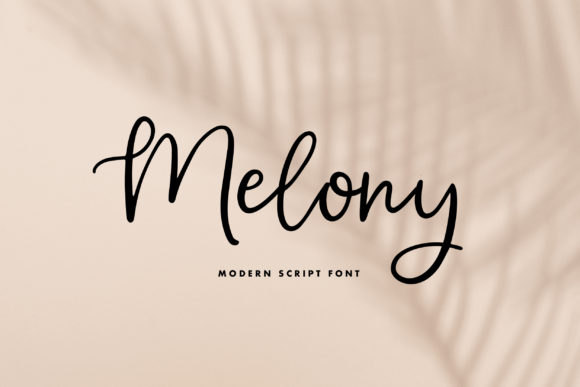
As a web designer, I'm always on the lookout for fonts that can add a touch of elegance and personality to my projects. Recently, I came across Melony, a script font that caught my eye with its delicate and classy look. Not too thin and not too thick, this balanced and varied typeface is designed to enhance the beauty of any project. Let's dive into how Melony performs in real web layouts.
Visual Characteristics and Personality
Melony exudes a refined and graceful charm, making it perfect for projects that need a touch of sophistication. The font's balanced weight and varied strokes give it a natural, almost handwritten feel, which adds a personal and welcoming touch to digital designs. Its elegant loops and swashes make it stand out without being overly decorative, striking a perfect balance between style and readability.
Testing Melony in Real Web Layouts
I decided to test Melony in a variety of web design elements to see how it would perform. First, I used it in the hero section of a creative portfolio website. The font's delicate yet bold presence immediately drew attention to the main headline, creating a strong first impression. On mobile screens, Melony maintained its elegance, though I did adjust the size slightly to ensure it remained legible.
Next, I tried Melony in a boutique online store. The font worked beautifully in the shop banners and product titles, adding a premium and luxurious feel to the products. For the call-to-action buttons, I paired Melony with a clean sans serif font to maintain readability and a modern look. This combination enhanced the overall user experience and made the site feel more cohesive and professional.
Readability and Visual Hierarchy
One of the key aspects of using Melony in web design is understanding its strengths and limitations. While the font is highly readable in larger sizes, such as headings and titles, it may not be the best choice for long body text or small navigation labels. In these cases, a simpler sans serif or serif font would be more appropriate.
For example, on a coaching website, I used Melony for the main headings and subheadings, while a clean sans serif font handled the body copy. This approach ensured that the site was both visually appealing and easy to read, maintaining a clear visual hierarchy and enhancing the overall user experience.
Responsive Design and Mobile Readability
Responsive design is crucial in today’s multi-device world, and Melony holds up well across different screen sizes. When testing on mobile devices, I found that reducing the font size slightly and increasing the line height helped maintain readability. Additionally, using Melony over image backgrounds required some adjustments to ensure the text was still legible, such as adding a subtle shadow or a semi-transparent background layer.
In a course sales page, I used Melony for the main title and section headings, ensuring that the font was large enough to be easily read on both desktop and mobile. The result was a visually engaging and professional-looking page that effectively communicated the value of the course.
Font Pairing and Brand Consistency
Pairing Melony with other fonts is essential for creating a balanced and consistent brand identity. For a more editorial and sophisticated look, I paired Melony with a simple serif font. This combination worked well for a blog redesign, where the serif font added a classic touch to the body text, while Melony provided a modern and elegant flair to the headlines and section titles.
For a more contemporary and minimalistic design, I combined Melony with a clean sans serif font. This pairing was particularly effective for a SaaS landing page, where the sans serif font provided clarity and simplicity, while Melony added a touch of creativity and personality to the key messaging.
Final Considerations and Licensing
Before using Melony in your web projects, it’s important to check the included styles, alternates, ligatures, and file formats. Ensure that the font supports the languages you need and that you have the necessary commercial licensing for your specific use case. For instance, if you’re designing a digital brand kit or an online store, you’ll want to verify that the font is licensed for those purposes.
Overall, Melony is a versatile and elegant script font that can significantly enhance the visual appeal and professionalism of your web designs. Whether you’re working on a creative portfolio, a boutique online store, or a coaching website, Melony offers a unique and sophisticated touch that can set your projects apart.